Safeguarding Ocean Giants
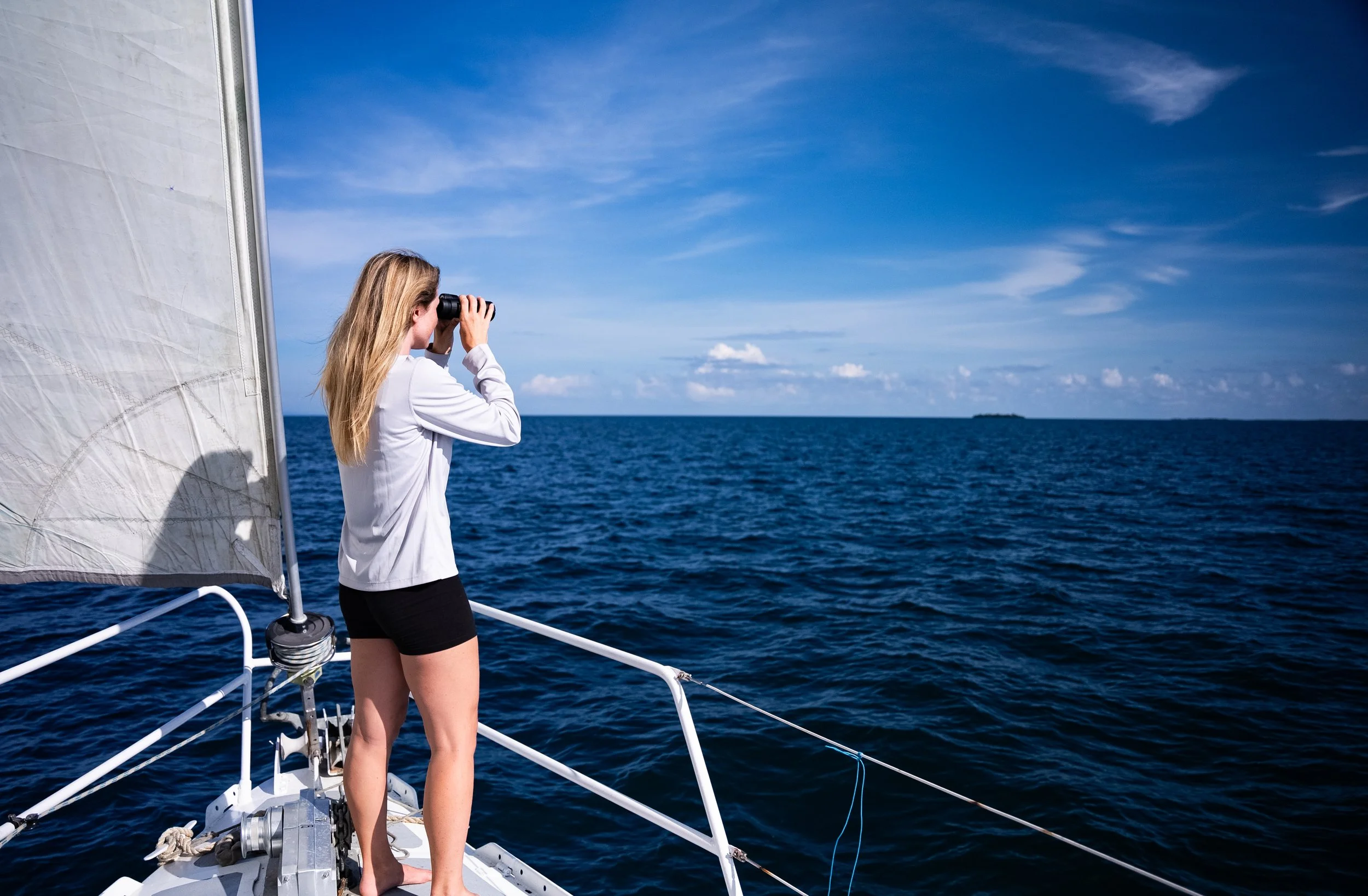
A sail-powered scientific expedition to study humpback whales in TCI waters.
Mission Snapshot
Location: Turks & Caicos Islands
Duration: 4 weeks
Focus Species: Humpback whales
Output: Data-collection, scientific paper & short film
In Feb 2026, Ocean Roamer will partner with the TCI Whale Project to conduct a comprehensive survey of humpback whale populations in its waters.
A collaborative expedition with the Turks & Caicos Whale Project to conduct a comprehensive, multi-method survey of humpback whales during peak season in TCI waters (Feb–March 2026).
Why the Turks & Caicos?
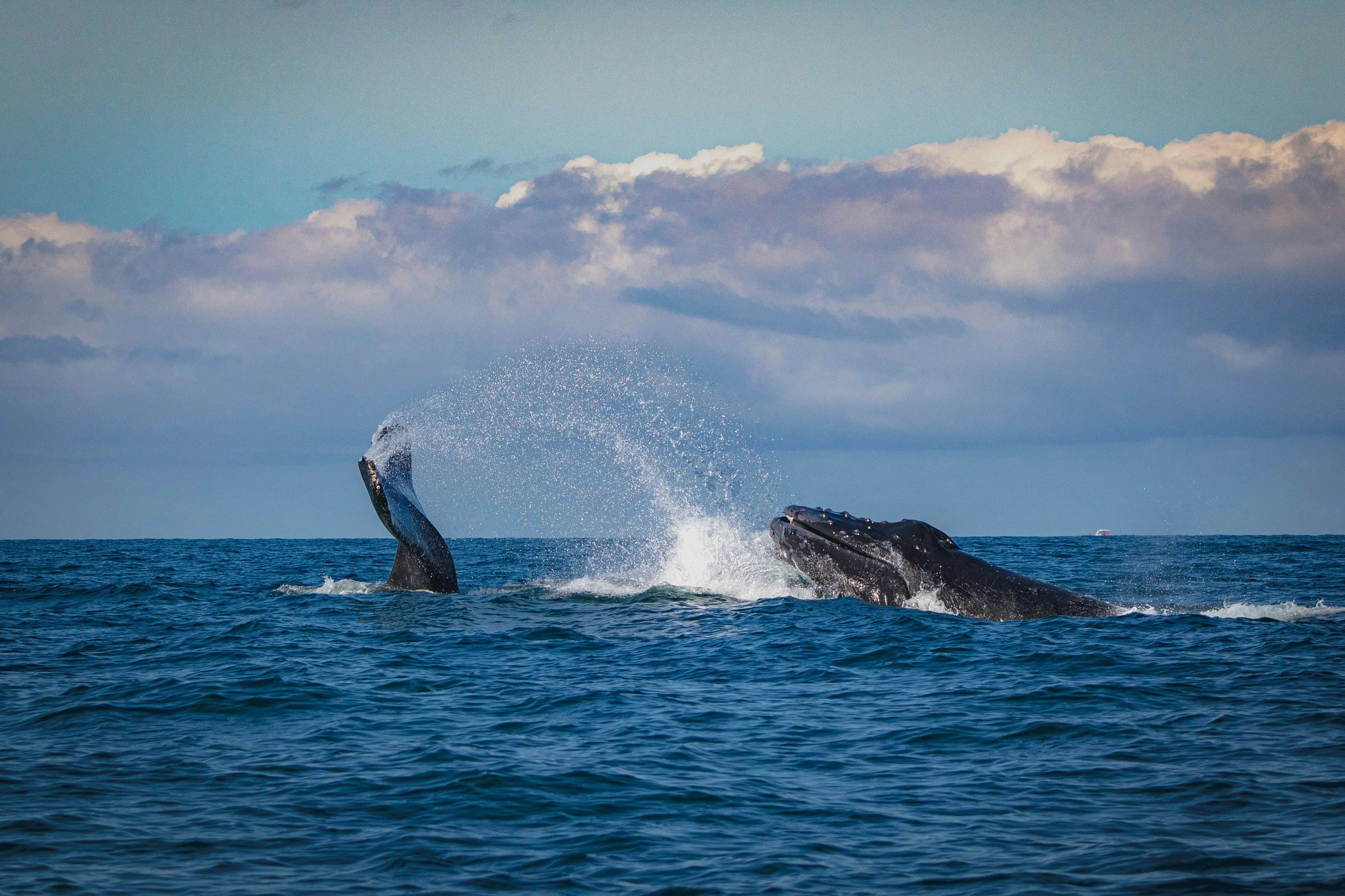
A critical migratory corridor for the North Atlantic humpback population.
Evidence suggests the Grand Turk Bank is an important nursery and breeding ground, yet it remains poorly studied.
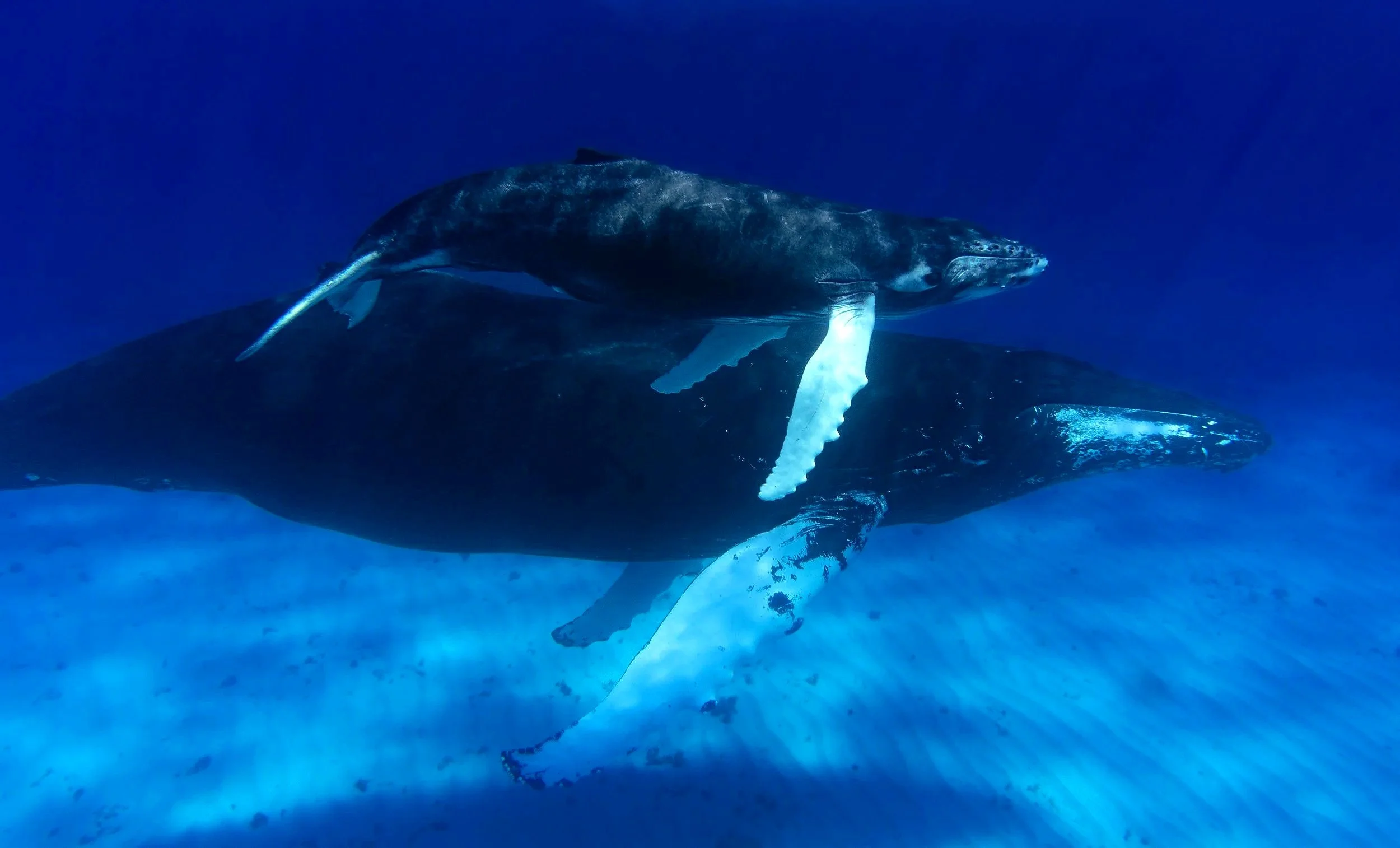
New research by the TCIWP shows mothers with calves, mature males, and escort groups routinely use these waters.
Increasing unregulated in-water tourism poses growing risks of disturbance and harassment.
Baseline science is urgently needed to guide marine spatial planning, whale-watching regulations, and protective measures.
What we will do
Coinciding with the peak period of whale activity in the area, we will collect the following data:
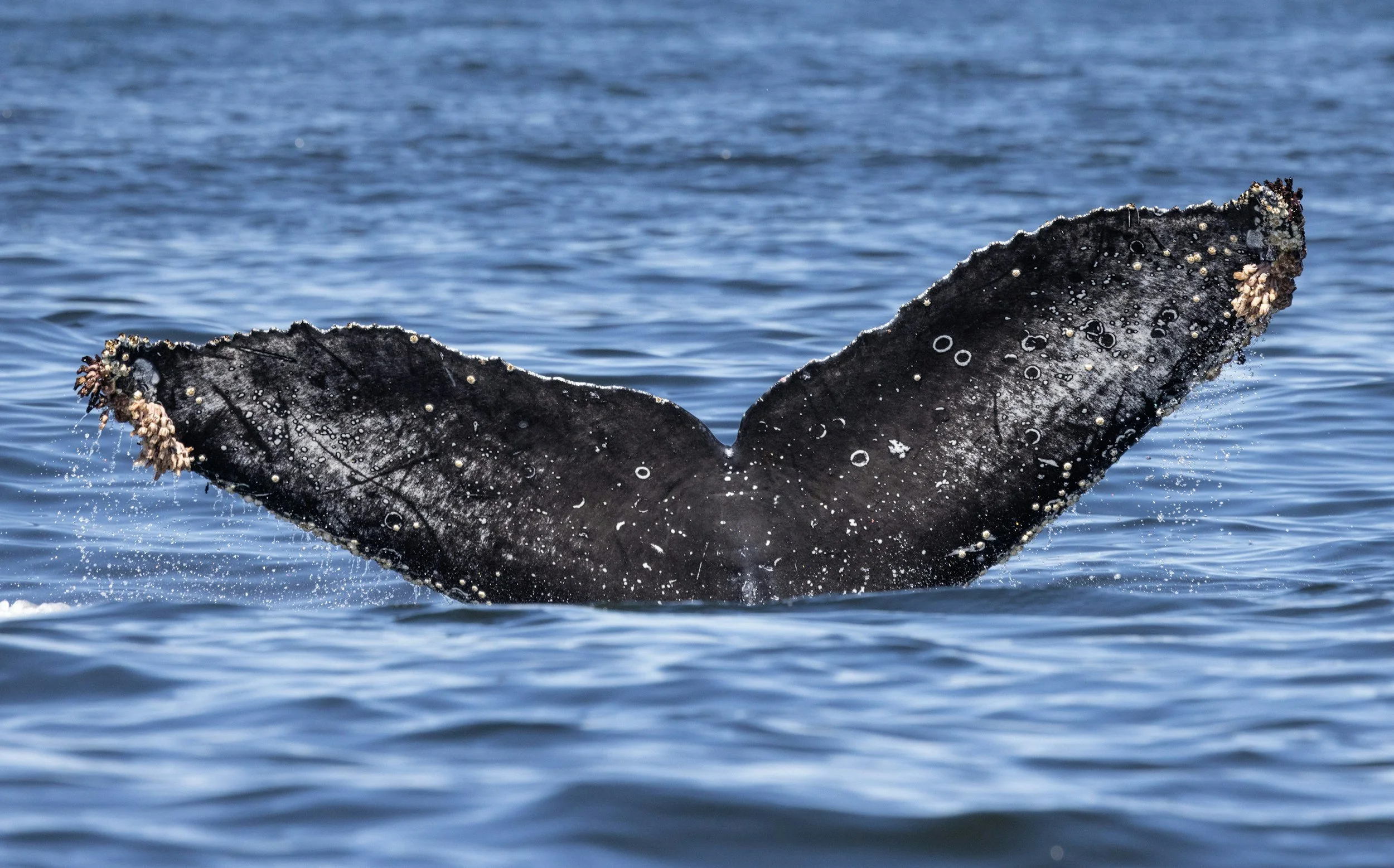
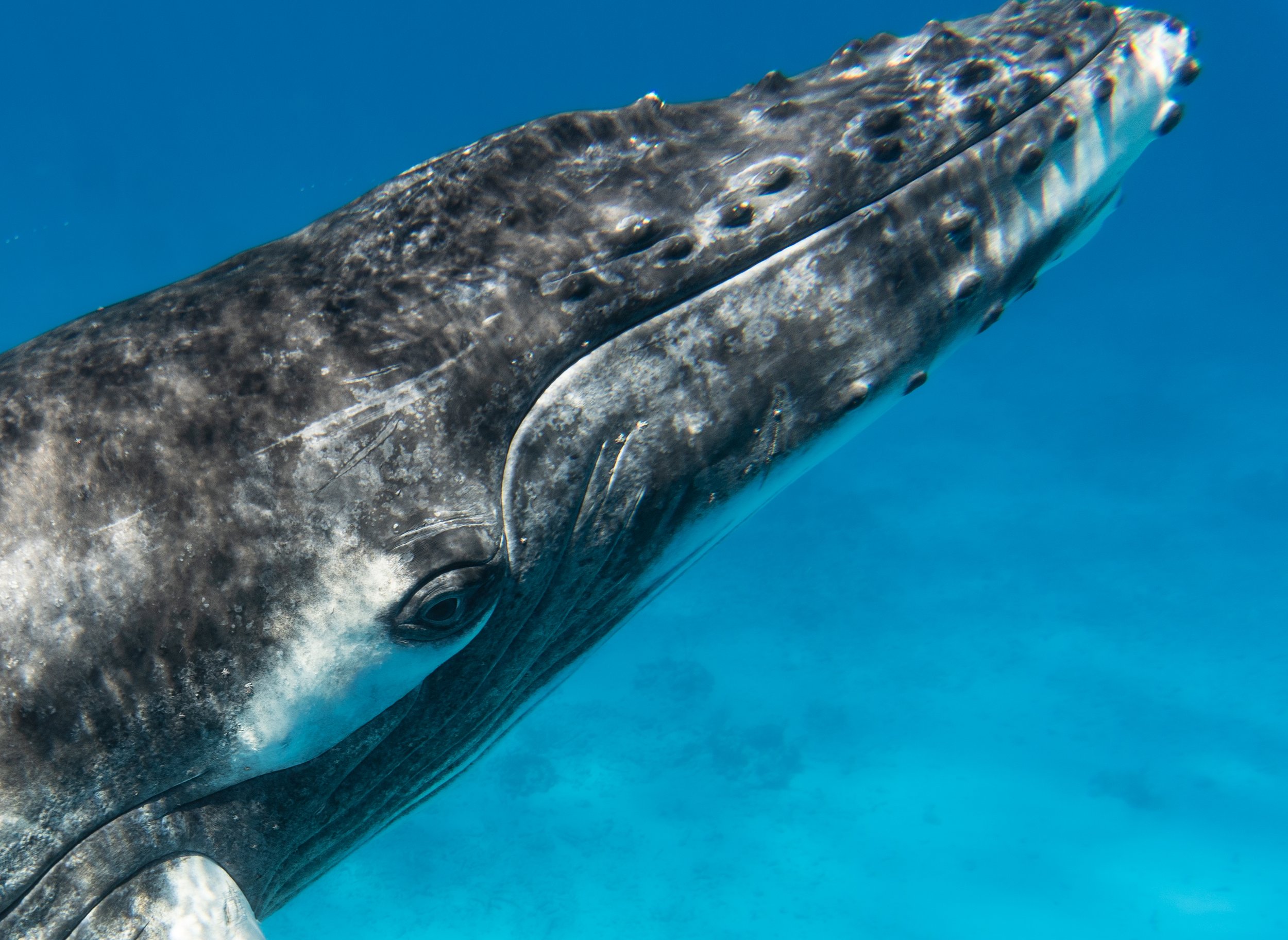
Photo-ID & Drone Photogrammetry
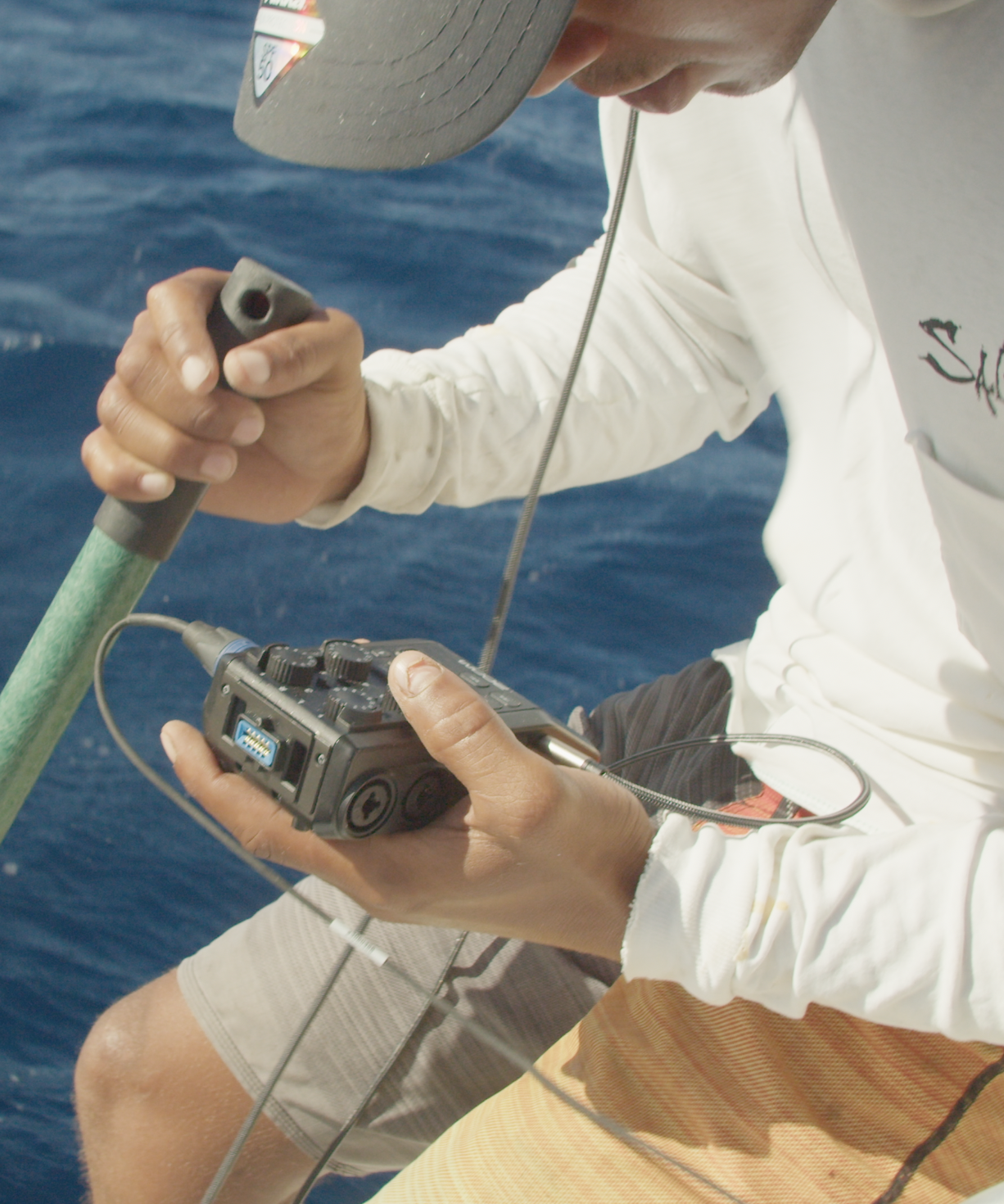
Acoustic Monitoring
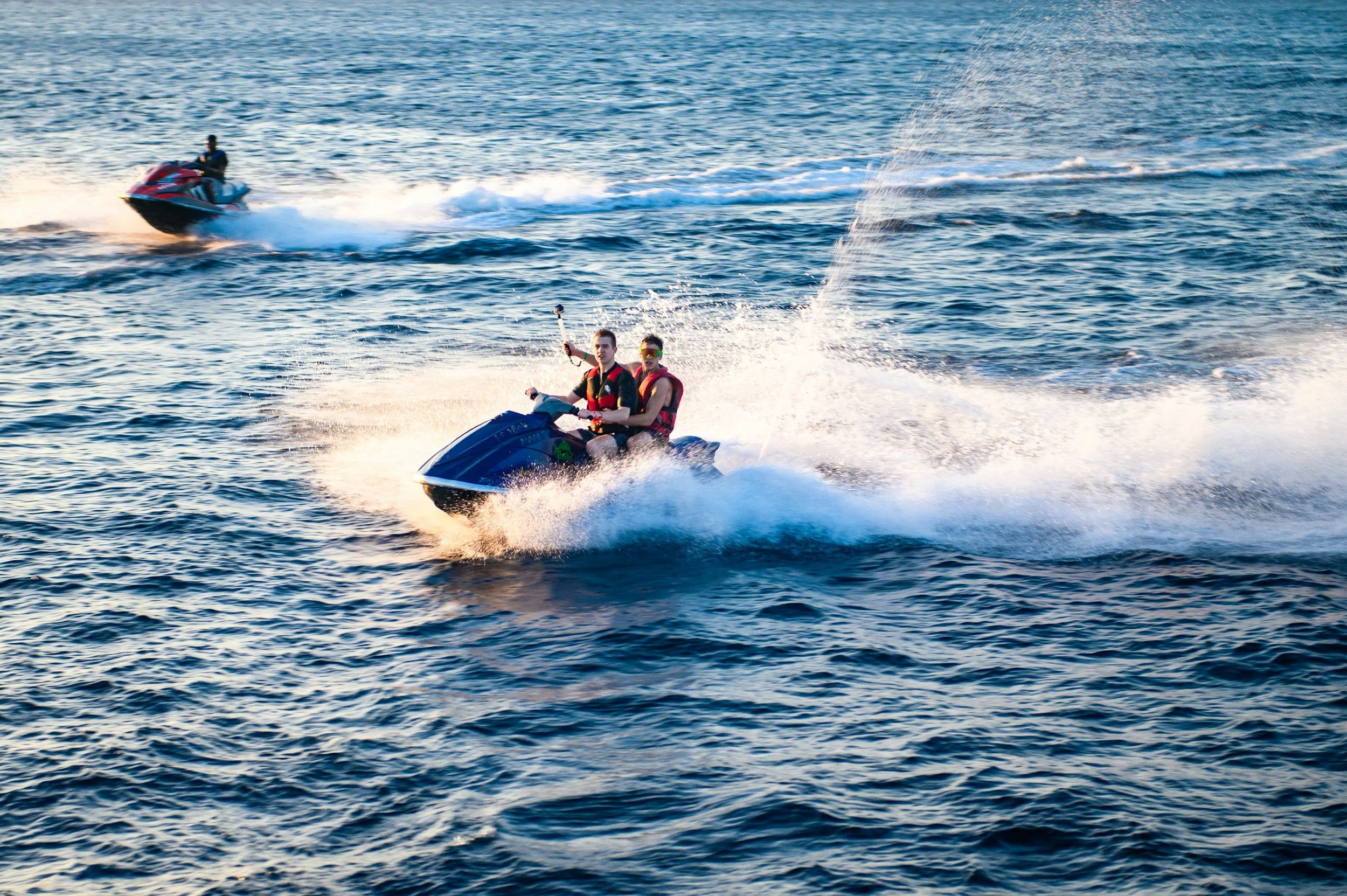
Threats Assessment
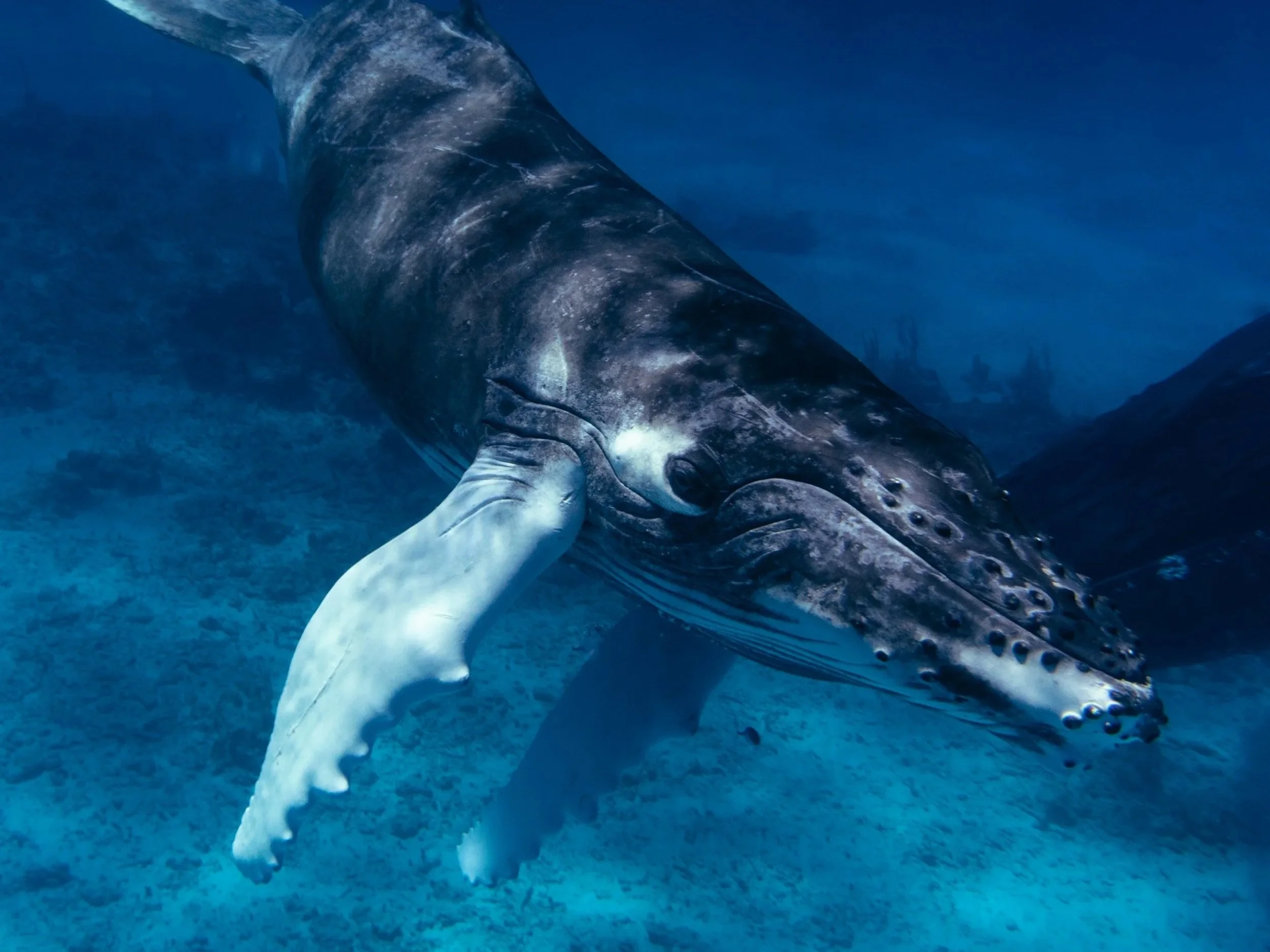
Behaviour and Habitat-Use Mapping
Why this mission matters
The data from this mission will help:
Establish baseline knowledge for an under-studied region.
Inform future regulations for in-water interactions and whale tourism.
Support protection of nursery habitats vital for North Atlantic humpbacks.
Strengthen local capacity through science communication and public outreach.
Contribute to a long-term, multi-season migration project being led by TCIWP extending from the Caribbean to the North Atlantic.