
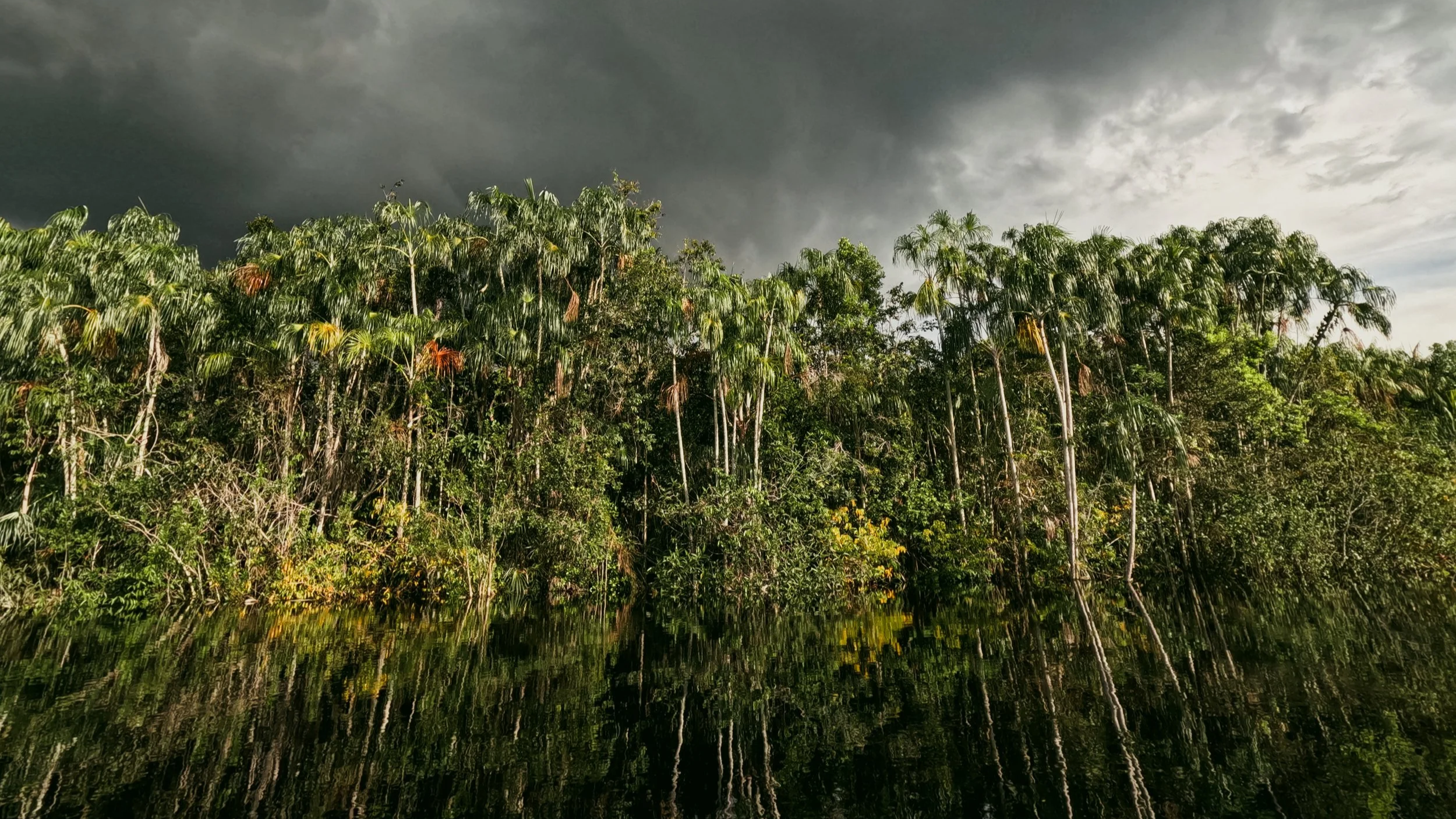
Rio Cuiuni
An expedition to paddle 500km down a remote, un-inhabited river in the Brazilian Amazon
In July 2024, after completing an Atlantic crossing, the Ocean Roamer team undertook a three-week expedition in the Brazilian Amazon to traverse the Rio Cuiuni, a remote and little-documented tributary of the Rio Negro.
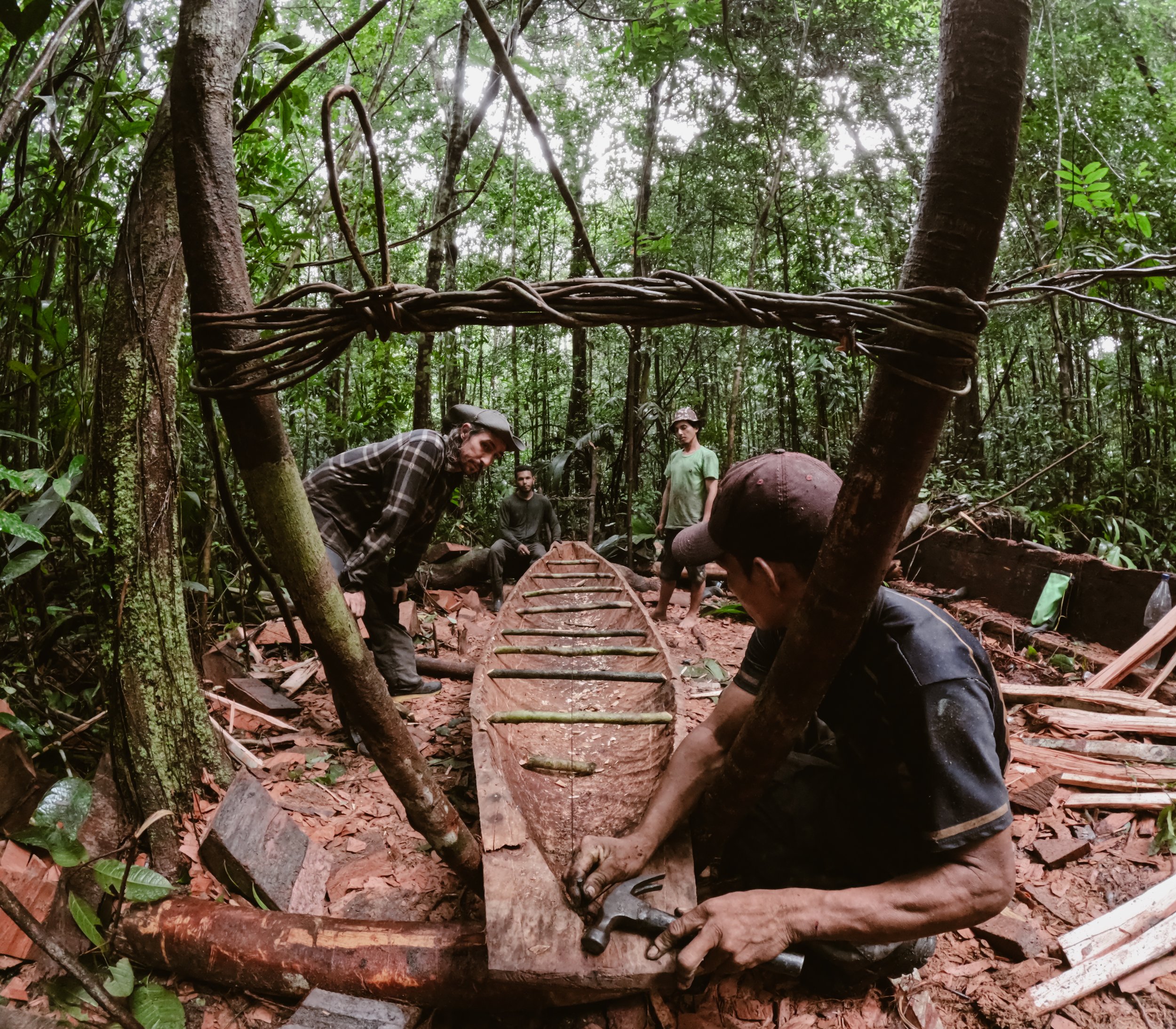
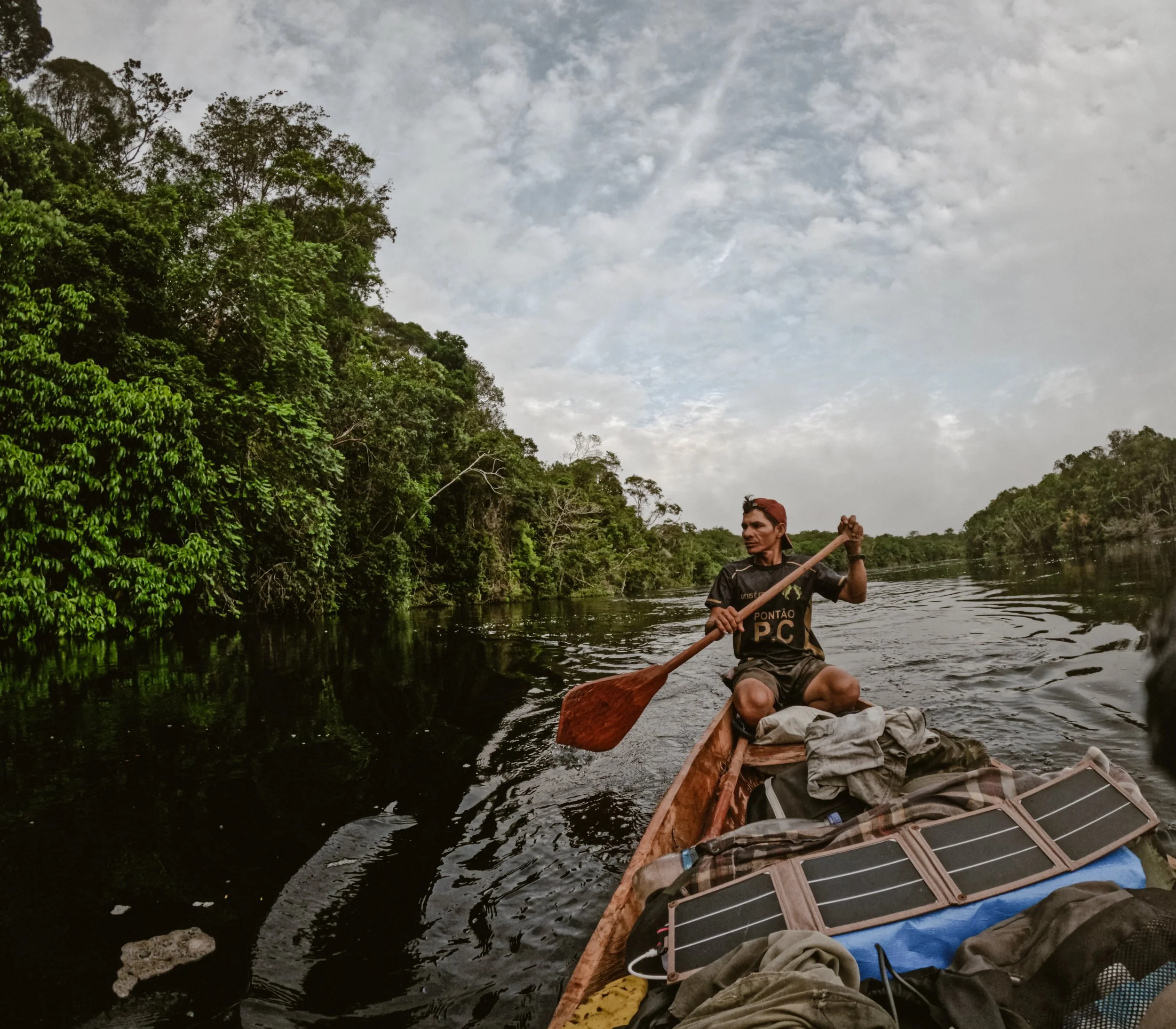
The expedition focused on documenting and navigating one of the region’s least-traveled river systems, and involved the construction of a dug-out canoe to trace a continuous route through an area of uninterrupted, primary rainforest with limited prior documentation.
Mission Snapshot
Location: Rio Cuiuni, Brazilian Amazon
Duration: 3 weeks
Method: Self-built dugout canoe
Focus: Biodiversity monitoring, exploration & storytelling
Output: Data-collection, podcast episodes & magazine articles
Featured in:

Winner of the “Retour d’aventure” contest.

Objective
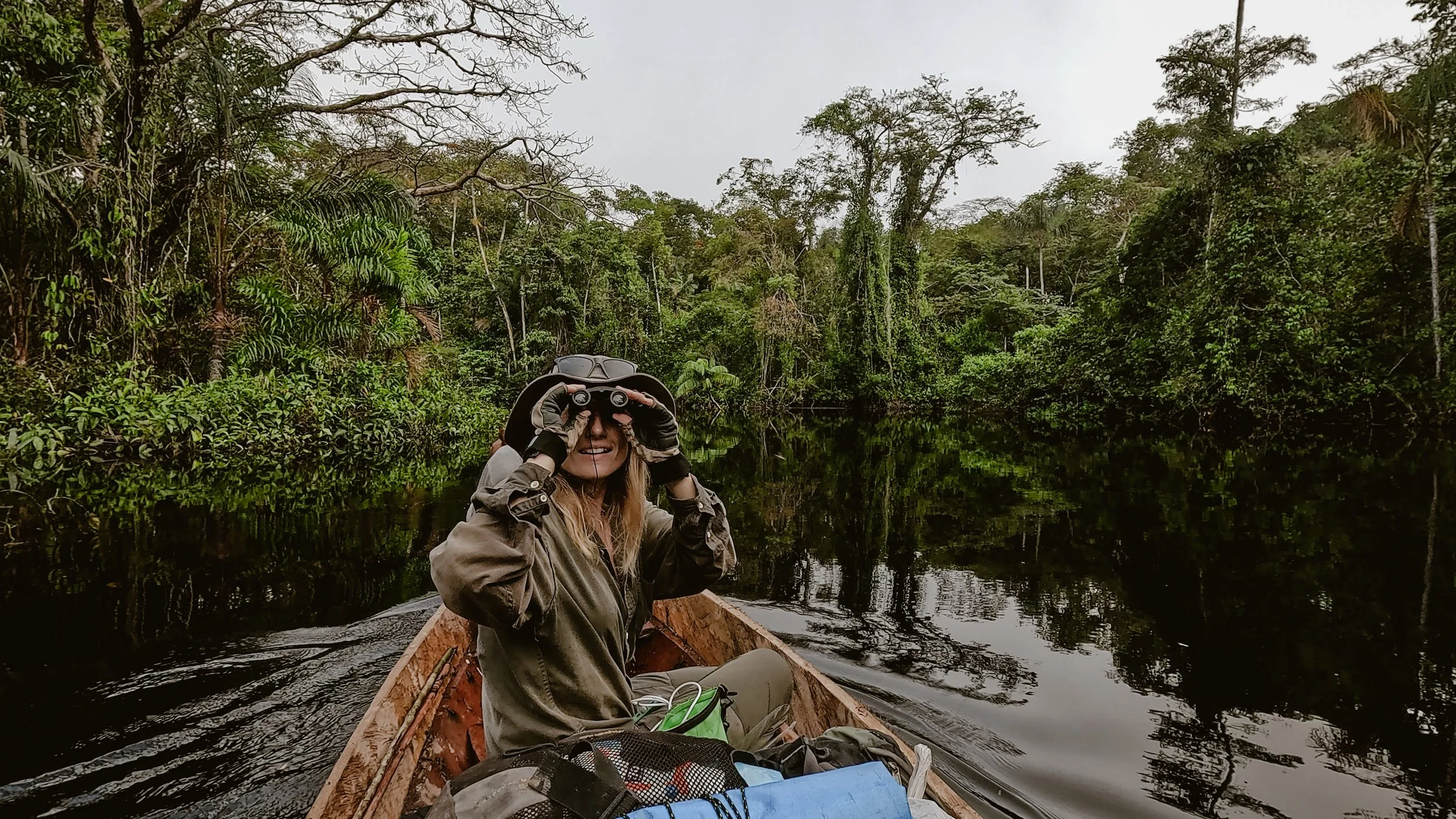
The team set out to establish a continuous, human-powered route linking two major Amazonian basins, combining overland travel, canoe construction, and river descent.
Beginning near the town of Maraã, they navigated small igarapés, trekked through flooded forest and marshland, built a traditional dugout canoe from local materials, and then descended the full length of the Rio Cuiuni by paddle.
Along the way, they documented ecological observations, signs of human activity, and wildlife presence.

The Route
The expedition unfolded in four main phases. First, the team traveled from Maraã toward the upper reaches of the Anupé stream, navigating upstream as far as possible by canoe.
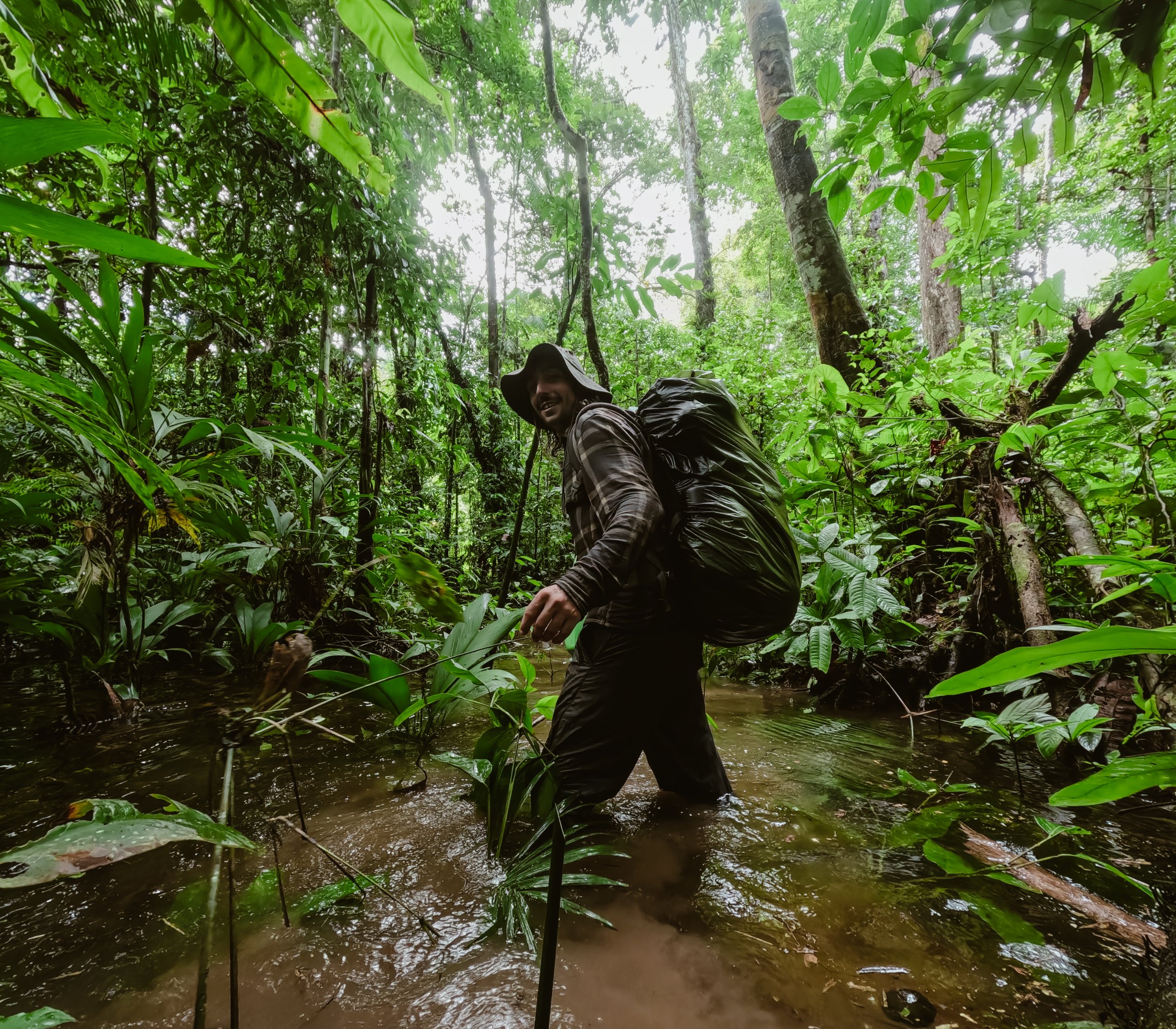
When they could continue no more, they continued on foot for roughly 60 km through flooded forest to reach a small tributary of the Cuiuni. There, they constructed a traditional wooden canoe using local techniques.
From this point, the team descended the river system all the way to its confluence with the Rio Negro near Barcelos.
In total, the descent covered approximately 520 km over ten days of paddling
Explore the Expedition
Tune into the season two of our in-house podcast Voyage to the Wild, where we take you behind the scene of this expedition.
Available on Spotify, Apple Podcasts and all other major platforms.